
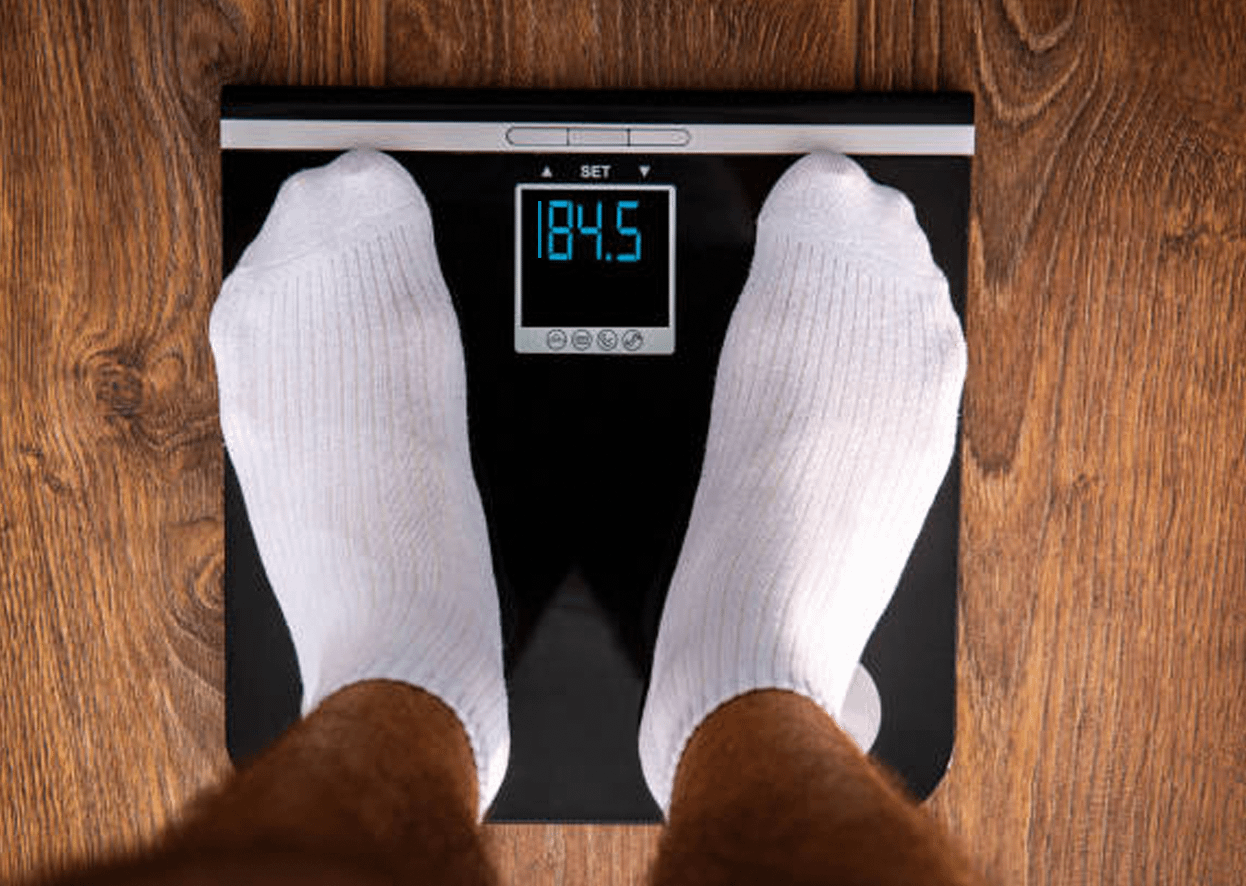
Body Mass Index (BMI) is a quick way to understand if your weight is healthy for your height. It’s a number that helps you see if you need to gain, lose, or maintain your weight for better health. It is important to understand that although BMI is a useful tool, it does not measure body fat nor account for factors like muscle mass. Body shapes and healthy weights vary across all cultures. BMI is a guide- so is waist circumference. Always talk to a healthcare professional for a full picture of YOUR health.
How is it calculated?
BMI is based on your height and weight. You don’t need to do the math- your doctor or an online calculator can do it for you.
Why is it important?
Maintaining a healthy weight is essential for overall health. Excess body weight and obesiety increases the risk of many chronic conditions, including heart disease, diabetes, and high blood pressure. If your BMI is too high or too low, it might be a sign that your weight is affecting your health.
Warning Signs of Unhealthy Weight
· Difficulty with physical activity or shortness of breath
· Fatigue or low energy
· Joint, knee, or back pain
· Increased sweating
· Sleep problems, including snoring or sleep apnea
· Weight gain around the abdomen
Key Risk Factors
· Poor diet, high in processed foods and sugary drinks
· Physical inactivity
· Stress and emotional eating
· Lack of sleep
· Certain medications or medical conditions
· Family history of obesity
BMI CATEGORIES
Underweight
A BMI below 18.5 may indicate you’re not getting enough nutrients.
Normal Weight
BMI 18.5-24.9 is a good range for most people.
Overweight
A BMI of 25-29.9 can increase the risk of diseases like heart problems or diabetes.
Obese
A BMI of 30 or higher more severely increases the risk of disease and health complications.
Healthy weight management is about progress- not perfection. Small, consistent lifestyle changes can lead to lasting improvements and quality of life.
· Eat balanced meals. Focus on portion control and eating all the food groups.
· Move more. Aim for at least 30 minutes of physical activity most days.
· Track progress. Monitor weight, BMI, and waist circumference regularly.
· Get quality sleep. Poor sleep affects hormones that control hunger and weight.
· Manage stress. Reduce stress to avoid emotional eating and cortisol spikes.
· Seek support. Coaching, group programs, or healthcare guidance improve success.
If weight gain is affecting your health, energy, sleep, or mobility, speak with a healthcare provider about safe and sustainable weight management strategies.