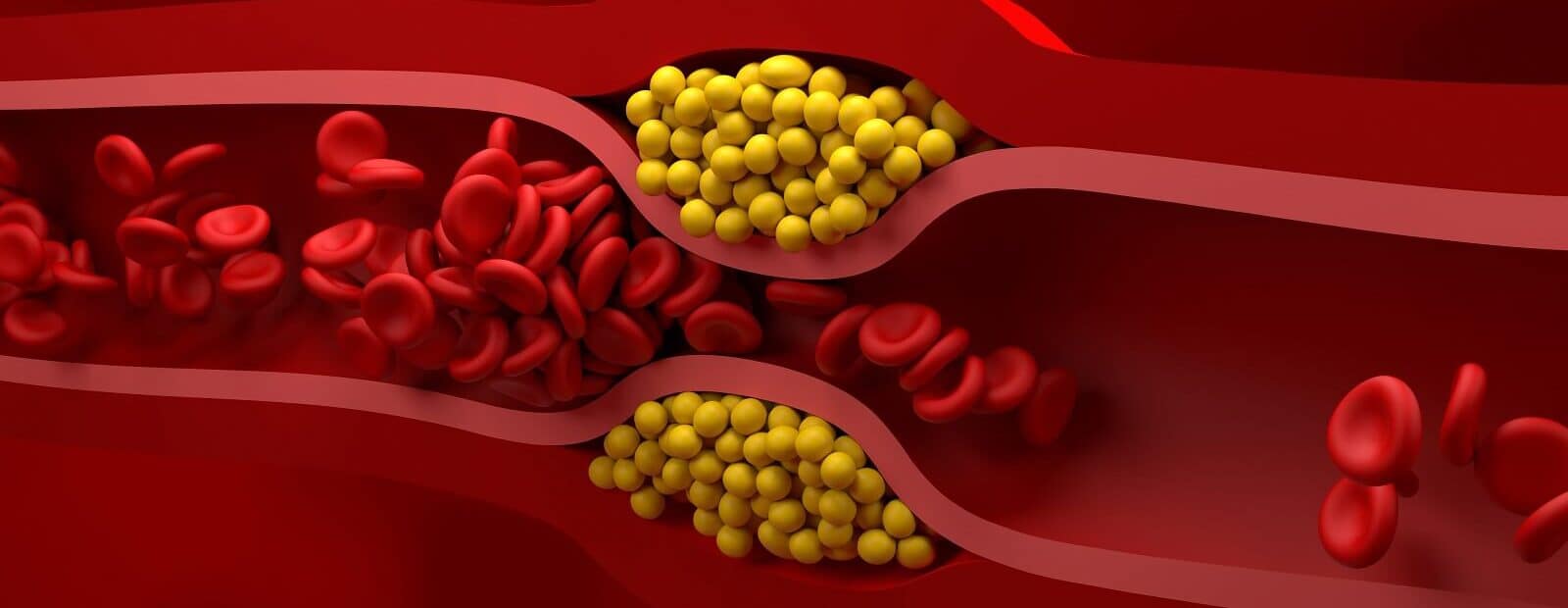
This fatty substance is essential for various functions, but high levels can lead to health problems. To find out your total cholesterol, your doctor will send you to a lab for a blood test measures the different types of fats in your blood, including:

- LDL (Low Density Lipoprotein) – the “bad” cholesterol.
- HDL (High Density Lipoprotein) – the “good” cholesterol.
- Triglycerides – another type of fat in your blood.
The total cholesterol number gives your doctor and you a general indication of your risk for heart disease. Doctors typically focus on a balance between LDL and HDL, as well as other risk factors when assessing heart disease risk. Below is the desirable range for cholesterol levels as well as simple lifestyle changes that can naturally lower it. If lifestyle changes aren’t enough, a doctor might prescribe medication to help lower cholesterol further.
Know Your Numbers
Desirable
Less than 200 mg/dl
Borderline High
200-239 mg/dl
High
240 or higher mg/dl
Simple Lifestyle Changes
Healthy Diet
Focus on foods high in fiber (like fruits, vegetables, whole grains) and healthy fats (nuts, seeds, olive oil).
Quit Smoking
Stopping smoking improves health of blood vessels and increases HDL cholesterol in addition to many health benefits to your other organs.
Exercise Regularly
Aim for at least 30 min of physical activity most days of the week. Exercise helps raise HDL and lowers LDL..
Limit Alcohol
Drinking alcohol in moderation (if at all) can help keep cholesterol in check. For men, that is two drinks a day.