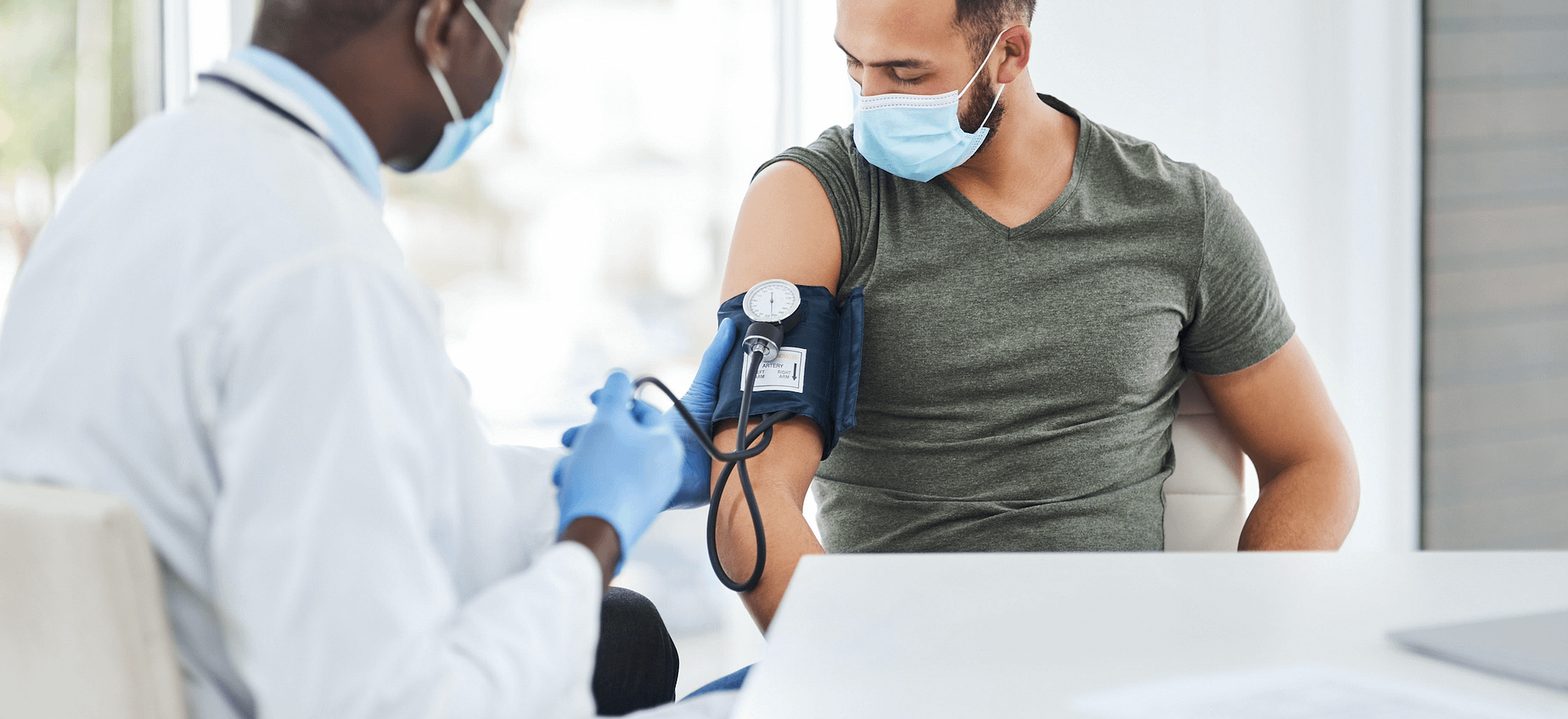
This is determined by the amount of blood your heart pumps and the amount of resistance to blood flow in your arteries. The more blood your heart pumps and the narrower the arteries, the higher your blood pressure.
Every time you visit your healthcare provider, they take your vital signs, including blood pressure, and record the numbers in your electronic medical records. You can get your blood pressure pharmacies and the health department. Are you within normal range?
Blood Pressure Ranges
Normal
Systolic < 120
Diastolic < 80
Prehypertension
Systolic 120-129
Diastolic < 80
Mild Hypertension
Systolic 130-139
Diastolic 80-89
Moderate-to-Severe Hypertension
Systolic 140 or higher
Diastolic 90 or higher
A blood pressure less than 130/80 should be the goal for healthy adults, as well as people with chronic kidney disease, diabetes, or coronary artery disease. A healthy lifestyle, or a healthy lifestyle alone with medication, can bring it under control and reduce your risk of life-threatening complications.
Symptom Awareness
High blood pressure, also known as hypertension, occurs when the force of blood against the artery walls is consistently too high. Often called the ‘silent killer,’ high blood pressure usually has no noticeable symptoms but greatly increases the risk of heart disease, stroke, kidney disease, and vision loss.
Why Blood Pressure Matters
Uncontrolled high blood pressure damages blood vessels and vital organs over time. Many people feel normal while their blood pressure is dangerously high, making routine screening essential.
Possible Warning Signs of High Blood Pressure
· Headaches or pressure in the head
· Dizziness or lightheadedness
· Blurred vision
· Chest discomfort
· Shortness of breath
· Nosebleeds in severe cases
When to seek medical care:
If blood pressure readings are consistently above normal or symptoms such as chest pain, shortness of breath, or severe headaches occur, medical attention is needed.
Common Risk Factors
· Excess salt intake
· Overweight or obesity
· Physical inactivity
· Chronic stress
· Smoking or excessive alcohol use
· Family history of high blood pressure
· Aging
Prevention and Control
High blood pressure can often be prevented, managed, or controlled through lifestyle changes, monitoring, and medical care. Knowing your numbers is the first step.
Healthy Blood Pressure Strategies
· Check your blood pressure regularly. Monitor at home and during screenings.
· Eat a heart-healthy diet. Reduce salt, eat fruits, vegetables, whole grains, and lean proteins.
· Stay active. Aim for at least 30 min a day of physical activity on most days.
· Maintain a healthy weight. Weight loss can significantly lower blood pressure.
· Manage Stress. Practice relaxation techniques such as deep breathing and meditation.
· Take your prescribed medications. Follow your healthcare provider’s recommendations.
High blood pressure is preventable and manageable. Knowing your numbers and taking action today can save your life.