
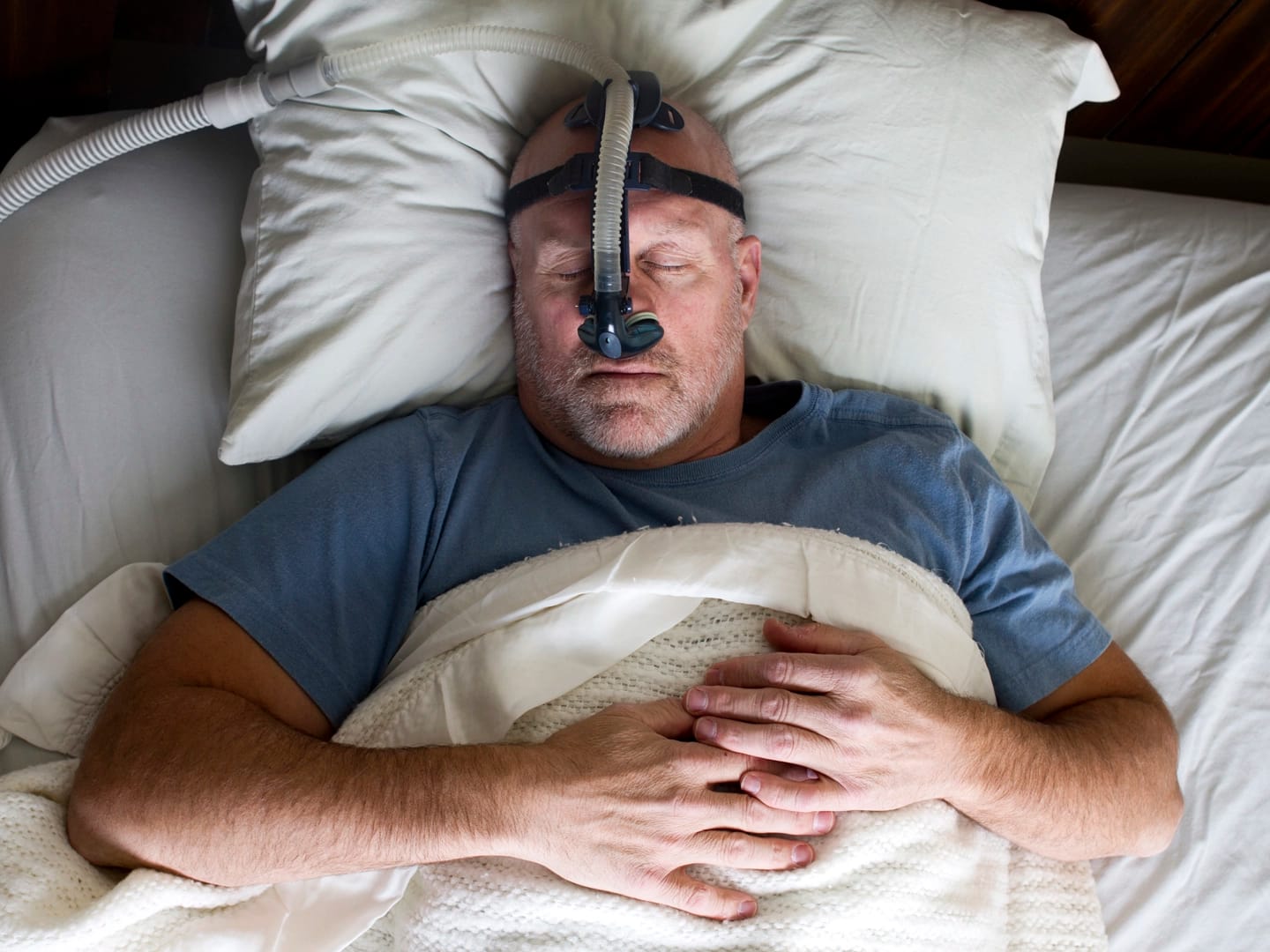
Symptoms Awareness Guide: Better Sleep. Better Health
Quality sleep is essential for physical, mental, and emotional health. Sleep apnea and other sleep disturbances are common in men and often go undiagnosed. Poor sleep increases the risk of heart disease, diabetes, depression, workplace accidents, and reduced quality of life.
Common Symptoms of Sleep Apnea
· Loud, chronic snoring
· Pauses in breathing during sleep (often noticed by others)
· Gasping or choking during sleep
· Walking up with a dry mouth or sore throat
· Morning headaches
Signs of Poor Sleep or Sleep Disturbances
· Excessive daytime sleepiness or fatigue
· Trouble falling or staying asleep
· Difficulty concentrating or memory problems
· Irritability or mood changes
· Falling asleep during work, driving, or in conversations
Key Risk Factors
Overweight or obesity
· Large neck circumference
· Smoking or alcohol use
· Family history of sleep apnea
· Nasal congestion or airway issues
· Stress and irregular sleep schedules
When to Seek Medical Care
If snoring is loud and persistent, breathing pauses or observed, or daytime sleepiness interferes with daily life, a sleep evaluation or sleep study is recommended.
Sleep Health and Sleep Apnea Prevention
Sleep disorders are treatable. Improving sleep habits and seeking medical care can restore energy, improve focus, and reduce serious health risks.
· Maintain a sleep schedule. Go to bed early and wake up at the same time daily
· Create a sleep-friendly environment. Keep the bedroom dark, quiet, and cool.
· Limit alcohol and sedatives. These relax the airway muscles and worsen sleep apnea.
· Maintain a healthy weight. Weight loss can reduce the severity of sleep apnea.
· Seek treatment. CPAP therapy, oral appliances, or medical interventions may be recommended.
· Get screened. A sleep study can diagnose sleep apnea and guide treatment.
Sleep is not a luxury. It is a necessity